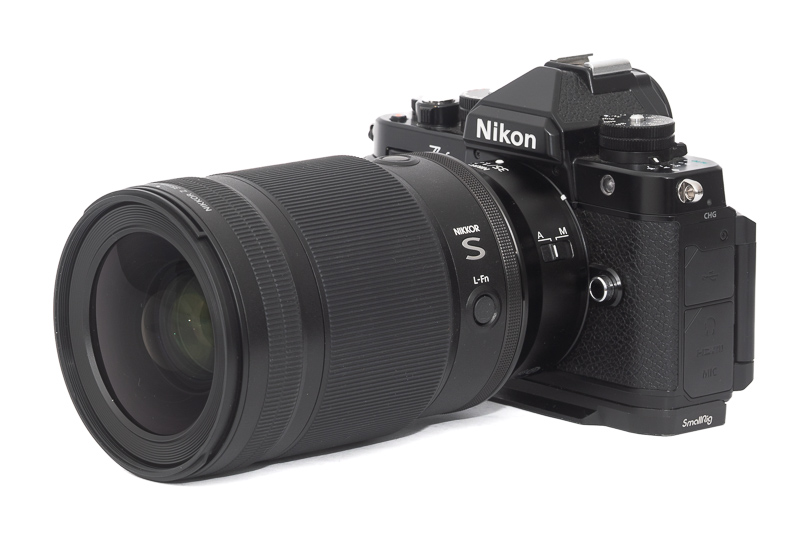
Today I’m taking a look at another lens from Meike’s high-end MIX series of autofocus primes: the 24mm f/1.4 MIX. I reviewed their 85mm f/1.4 not long ago and was pleasantly surprised—even impressed—by its features and optical quality. Now it’s time to see whether the 24mm can live up to that standard.
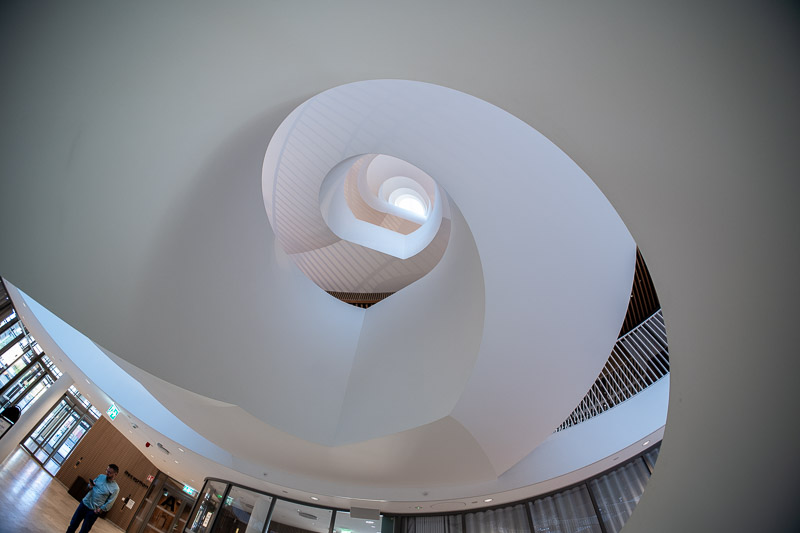
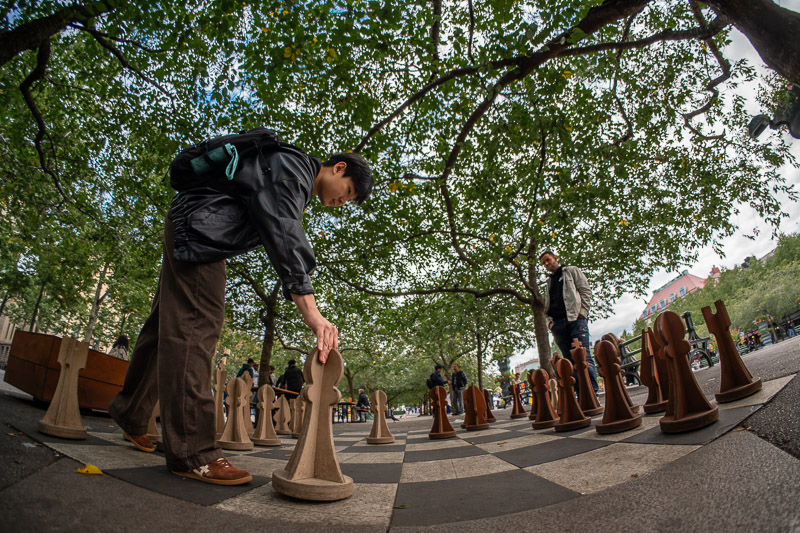
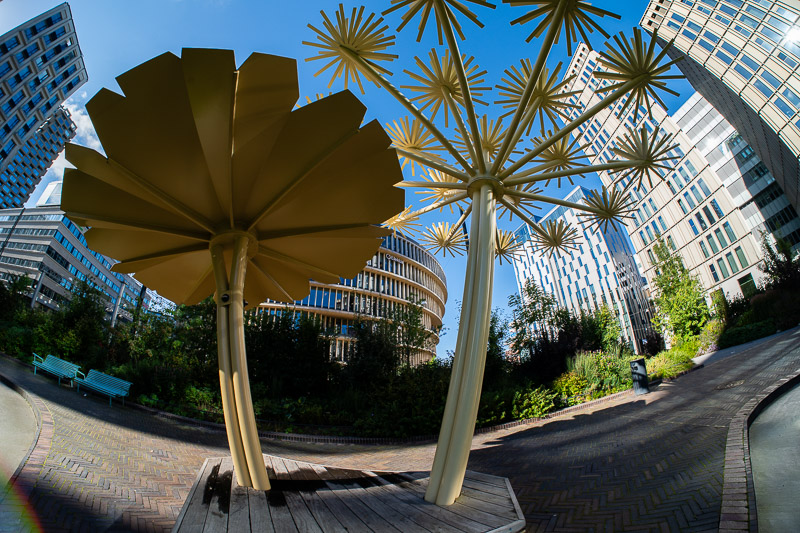
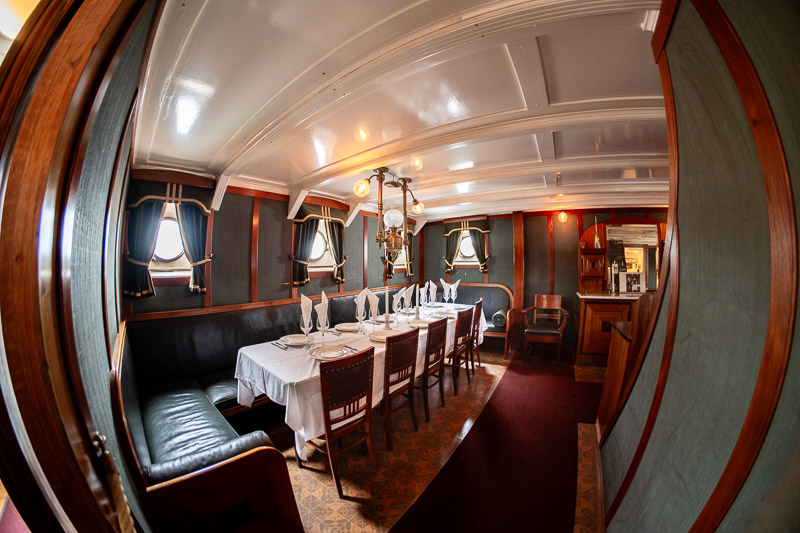
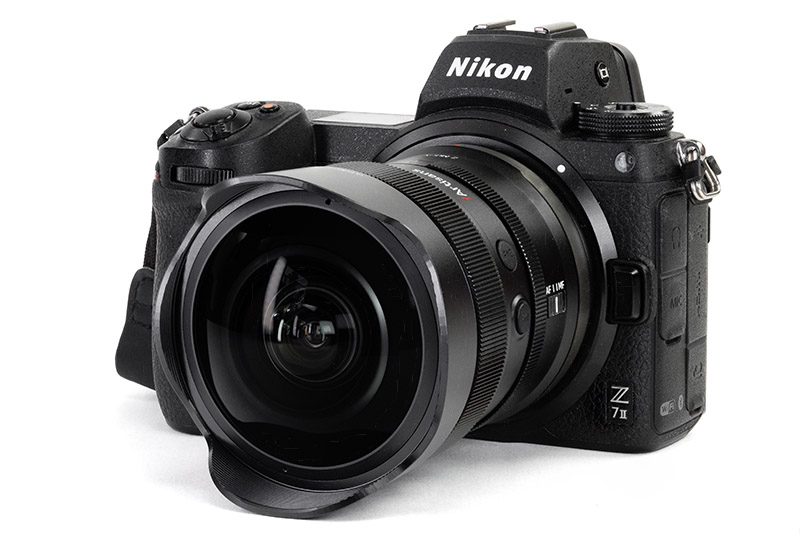
While Sigma is mostly famous for their series of fast and big “Art” lenses they also offer a lineup of more compact and more affordable “Contemporary” lenses. At the time of writing this review, the widest prime entry of that series is this Sigma 17mm 4.0 DG DN Contemporary. Let’s have a closer look and also see how it compares to the Viltrox AF 14mm 4.0 FE Air.
Sample Images
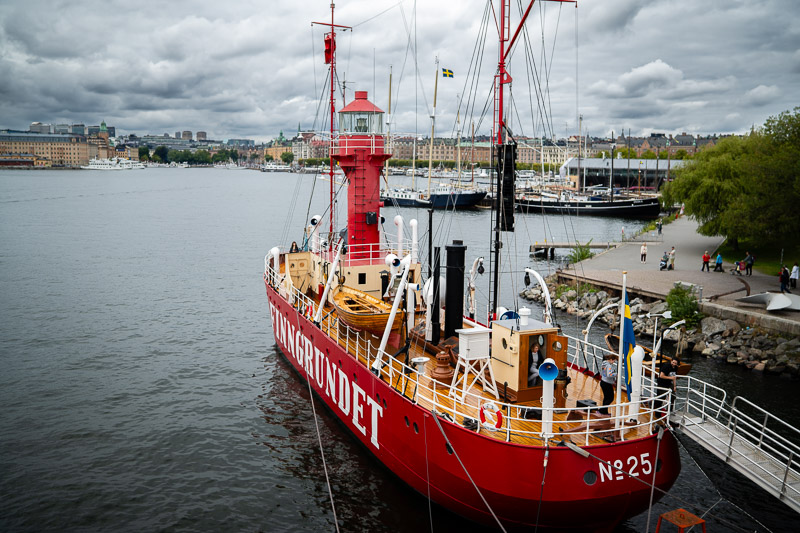
Sony A7III | Sigma 17mm 4.0 DG DN C | f/4.0Sony A7III | Sigma 17mm 4.0 DG DN C | f/4.0Sony A7III | Sigma 17mm 4.0 DG DN C | f/4.0Sony A7III | Sigma 17mm 4.0 DG DN C | f/4.0Nikon Zf | Neewer ETZ | Sigma 17mm 4.0 DG DN C | f/4.0Sony A7III | Sigma 17mm 4.0 DG DN C | f/4.0
Can a $369 lens really compete with a $6,600 Leica? Fair warning: some results may surprise Leica fans, for better or worse.
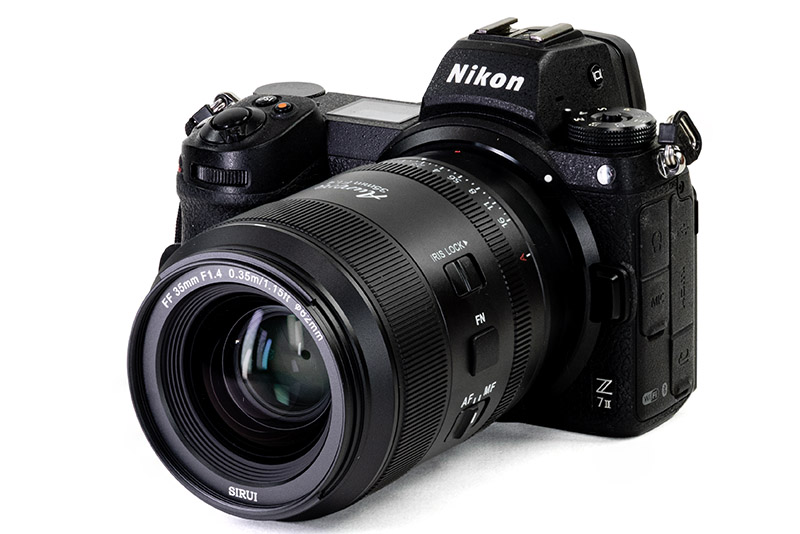
Today I’m taking a closer look at the Thypoch Simera 35mm f/1.4 ASPH. Thypoch entered the market about two years ago, joining a growing group of Chinese manufacturers initially producing lenses for the Leica M mount. Since then, they’ve expanded their lineup from 21mm to 75mm, mostly with fast f/1.4 apertures, and have begun offering additional mounts beyond M.
In this post, I’ll be testing the Nikon Z version of the 35mm f/1.4—and putting it side by side with Leica’s own Summilux FLE II.
Many of the new manufacturers from China decided to start with all manual lenses and often of moderate specifications. With this Songraw 50mm 1.2 Moonlit the story is different: a complex autofocus 50mm lens with a maximum aperture of f/1.2, only Sony and Sigma released a lens with these specifications for the E-mount yet. But can a lens as ambitious as this from an unknown manufacturer actually be any good? Let’s find out in this review.
Released in 2007, the Nikon AF-S 14-24mm 2.8G was way ahead of its time. It pushed the limits of what can be expected from a very wide f/2.8 ultra wide angle zoom – by a lot actually – and not only rendered a bunch of primes in the 14mm to 24mm range useless, it also survived three generations of 70-200mm 2.8 zooms and two generations of 24-70mm 2.8 zooms, because it was simply so good, that it wasn’t necessary to replace it. Is it still a lens worth considerng today? Let’s find out in this review!
Sony α | Leica M | Nikon Z/F New articles every week
This website uses cookies to improve your experience. We'll assume you're ok with this, but you can opt-out if you wish.AcceptRead More
Privacy & Cookies Policy
Privacy Overview
This website uses cookies to improve your experience while you navigate through the website. Out of these, the cookies that are categorized as necessary are stored on your browser as they are essential for the working of basic functionalities of the website. We also use third-party cookies that help us analyze and understand how you use this website. These cookies will be stored in your browser only with your consent. You also have the option to opt-out of these cookies. But opting out of some of these cookies may affect your browsing experience.
Necessary cookies are absolutely essential for the website to function properly. This category only includes cookies that ensures basic functionalities and security features of the website. These cookies do not store any personal information.
Any cookies that may not be particularly necessary for the website to function and is used specifically to collect user personal data via analytics, ads, other embedded contents are termed as non-necessary cookies. It is mandatory to procure user consent prior to running these cookies on your website.